If you have ever bought a robot vacuum on suction numbers alone and then spent your evenings fishing it out from under the couch, you already know where this goes wrong. A robot vacuum and mop is a maintenance tool. It keeps the dog hair off the hardwood between real vacuum sessions, and its mopping handles everyday footprints rather than dried-on stains. What separates a robot you stop thinking about from one that becomes a second chore is navigation first, then the dock, then the mopping hardware, and only then the number printed on the box.
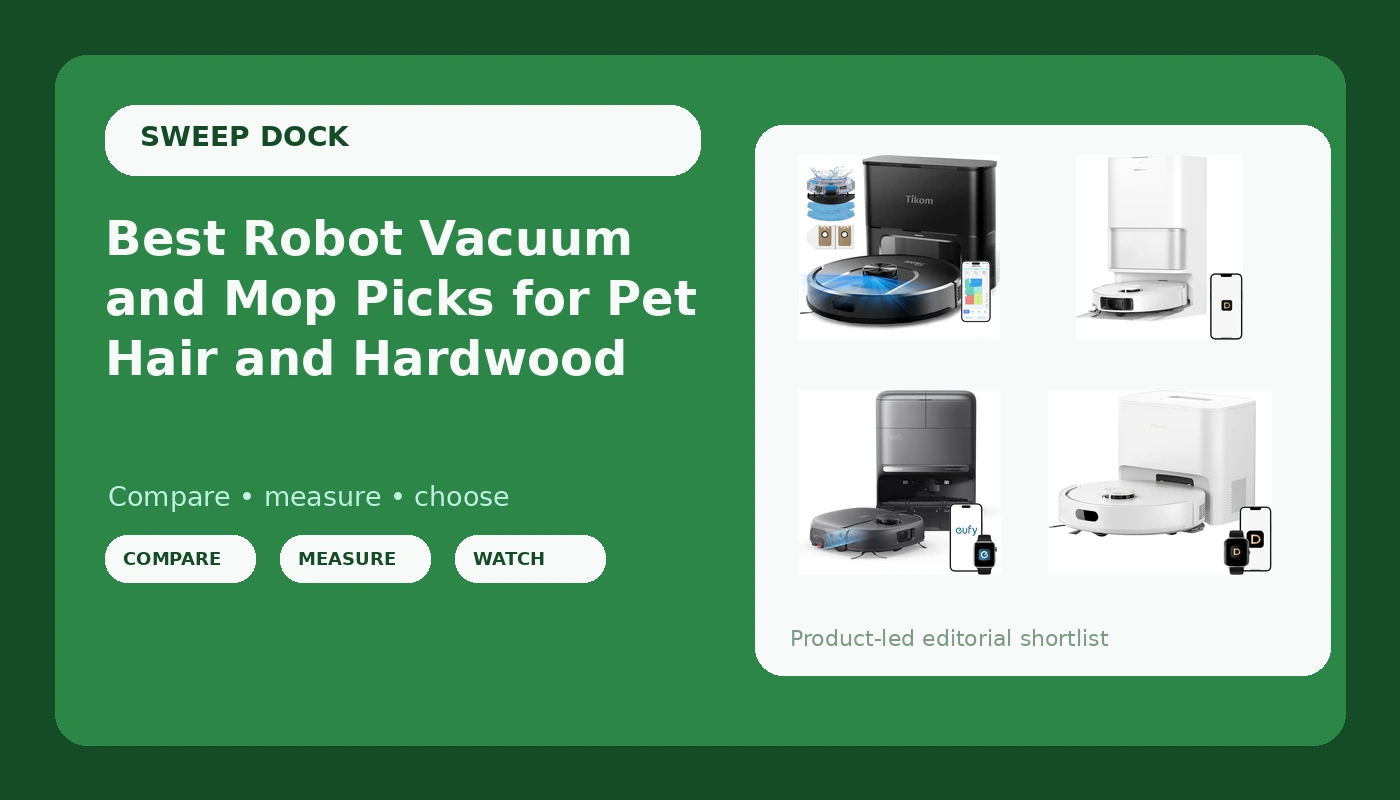
This roundup covers six robot vacuum and mop models, from a LiDAR-equipped unit with an anti-tangle design to a 30,000Pa model with a full omni dock. Every card links to the listing so you can confirm the current price, availability, and return terms yourself.
Related: LiDAR vs Random Navigation: What Actually Changes a Robot Vacuum Run
Quick answer
The roborock Robot Vacuum Mop with LiDAR, 10000Pa, Anti-Tangle, 7-9 Weeks is the strongest fit for a home with hardwood, tile, and low-pile carpet plus a shedding pet, because LiDAR navigation is what keeps a robot from re-covering the same corner while skipping the hallway, and the anti-tangle design targets the hair that wraps around brushes. Choose the ECOVACS DEEBOT T90 PRO Omni Robot Vacuum and Mop, 30000Pa Blast Suction instead when the highest rated suction in this group and a full omni-style dock matter more to you than a lower suction rating.
Robot vacuum and mop features worth comparing
Five things separate these six models, and none of them is the headline on the front of the box.
Navigation comes first. LiDAR mapping is what lets a robot know where it is, hold a map, respect no-go zones, and find the dock from the back bedroom instead of wandering. Random navigation means bumping walls and re-covering ground.
The dock comes second. A self-emptying base pulls the bin's contents into a bag so you are not emptying a bin every other day. The listed interval varies by model, and it is a dock interval, not a promise that you never touch the machine again.
Mopping hardware is the third. A roller mop and a flat pad are different tools, and neither one is a deep cleaner.
Anti-tangle design is the fourth, and it matters most in a house with long hair or a double coat.
Suction rating is the fifth, and in this group it runs from 10,000Pa to 30,000Pa.
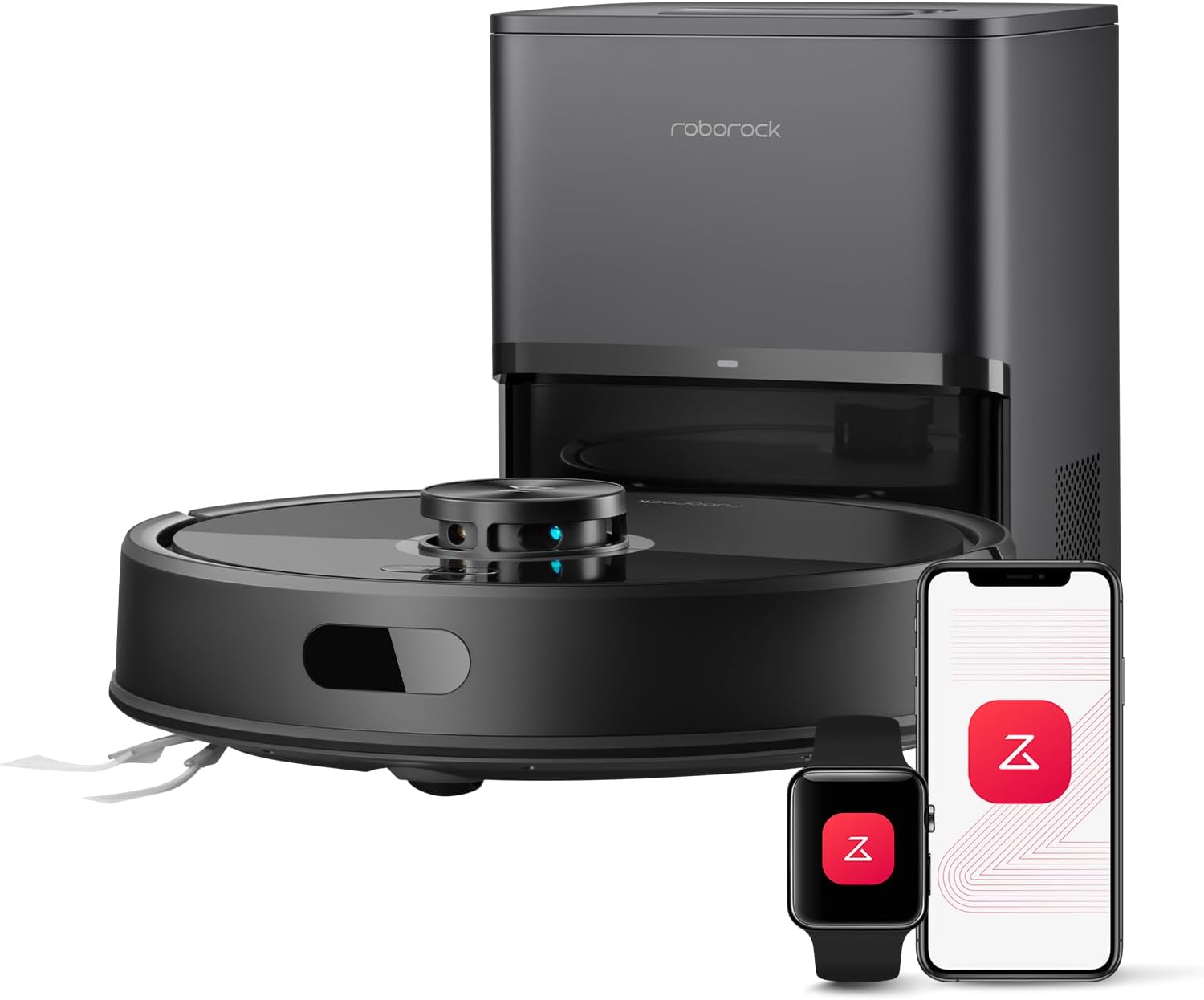
roborock Robot Vacuum Mop with LiDAR, 10000Pa, Anti-Tangle, 7-9 Weeks
LiDAR navigation, a 10,000Pa suction rating, an anti-tangle design, and a listed 7 to 9 week dock interval in one vacuum and mop unit.
Visit on Amazon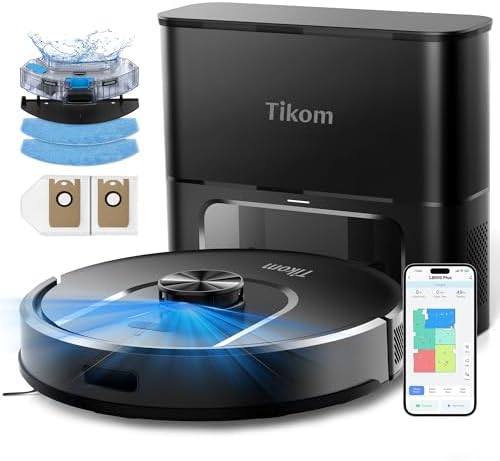
Tikom Robot Vacuum and Mop, Robotic Vacuum Cleaner with Self-Emptying Base
A robot vacuum and mop that ships with a self-emptying base, so the bin empties into the dock instead of into your hand every couple of days.
Visit on Amazon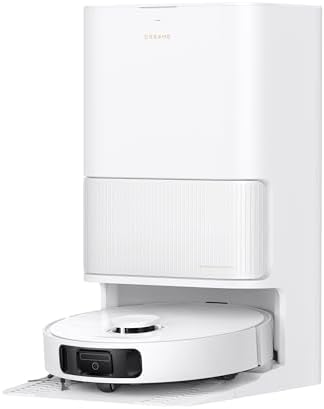
dreame L40 Ultra Gen 2 Robot Vacuum and Mop with 25,000Pa Suction
A vacuum and mop combo with a 25,000Pa suction rating, near the top of this group and well above the entry level.
Visit on Amazon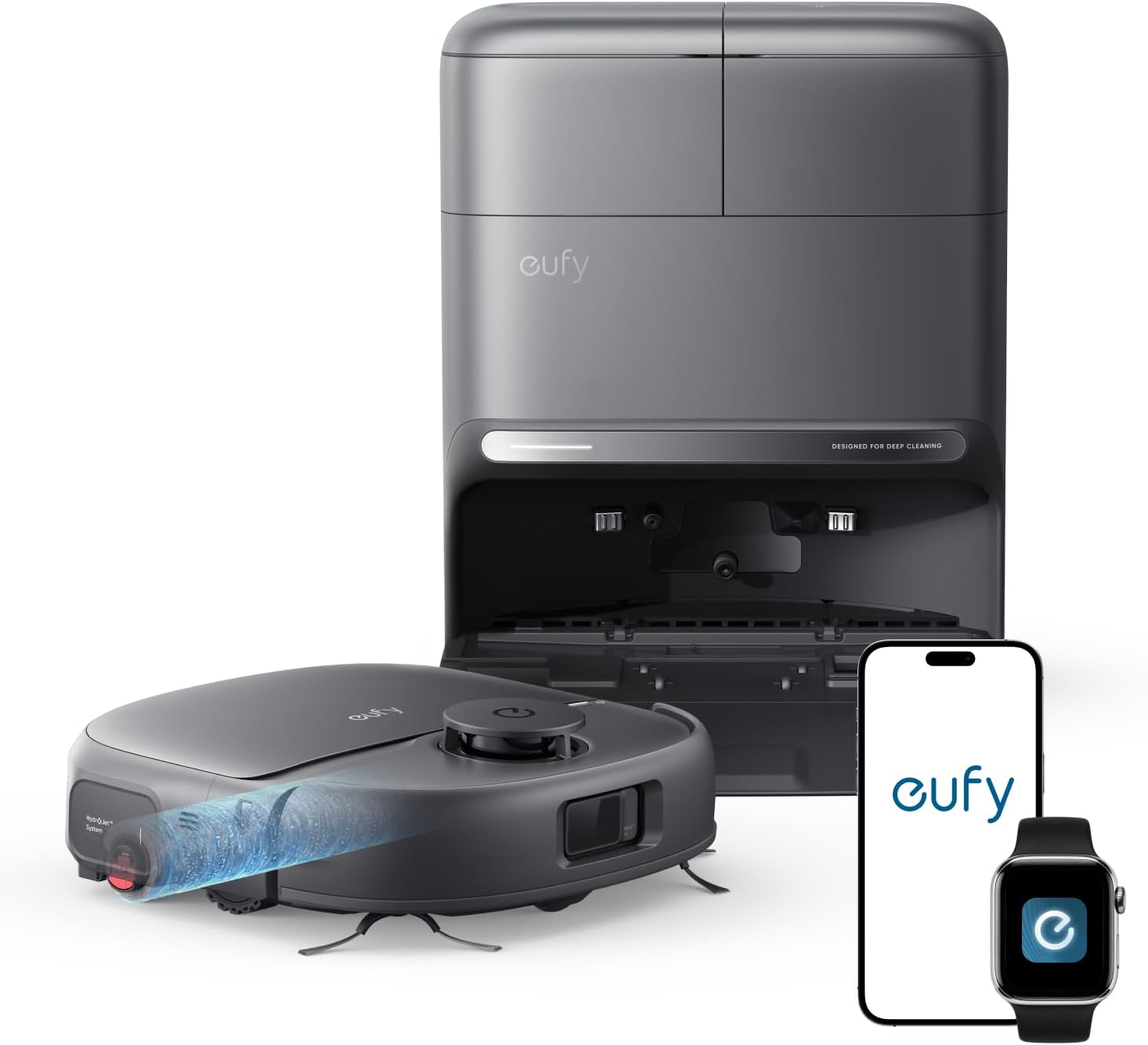
eufy C28 Robot Vacuum Cleaner and Mop Combo, 15,000 Pa, HydroJet Roller Mop
Pairs a 15,000Pa suction rating with a HydroJet roller mop, a different mopping approach than the flat pads most budget combos use.
Visit on Amazon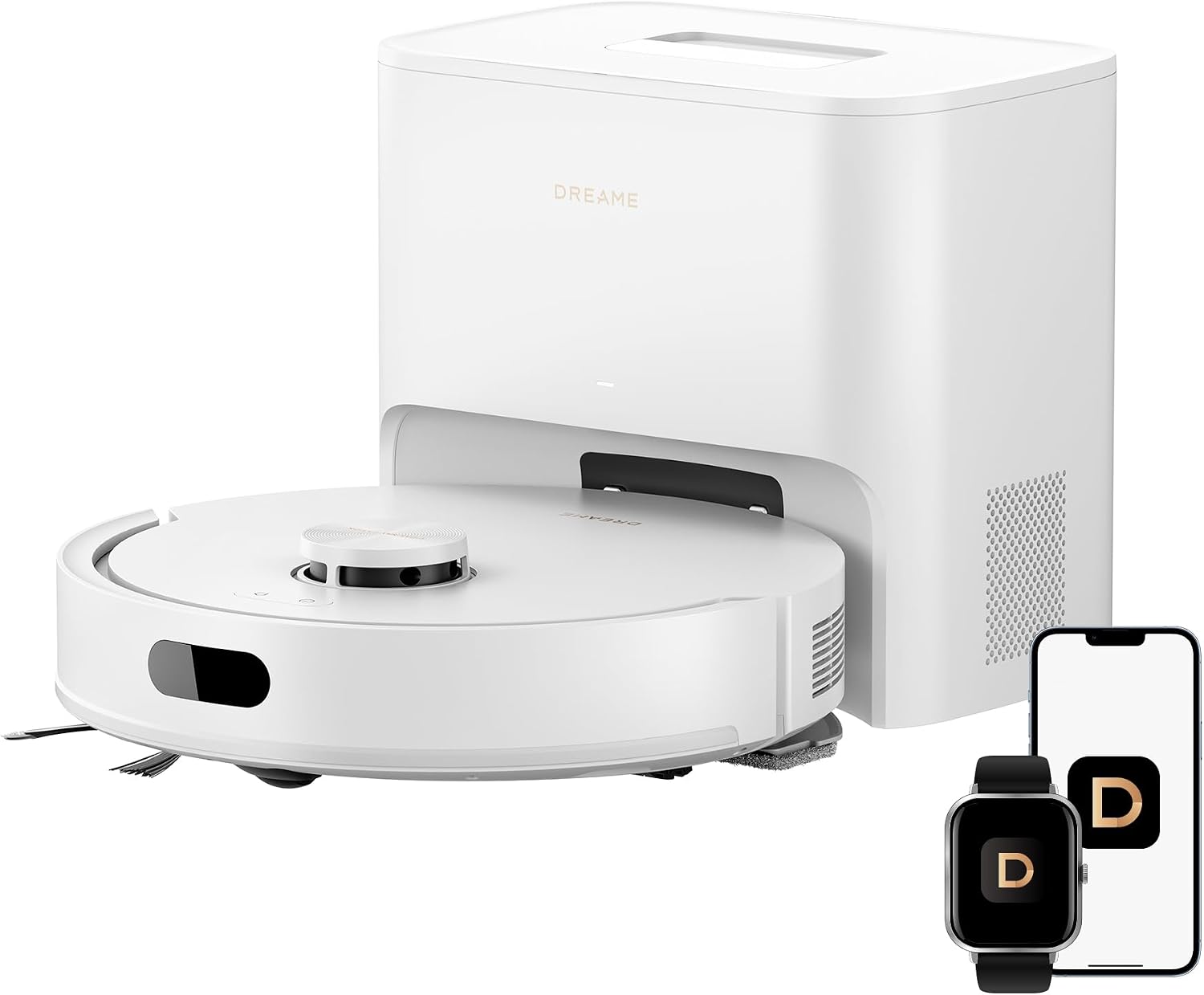
dreame D20 Air Plus Robot Vacuum and Mop, 20,000Pa Powerful Suction
A 20,000Pa suction rating in a vacuum and mop combo, sitting between the entry models and the high-suction flagships here.
Visit on Amazon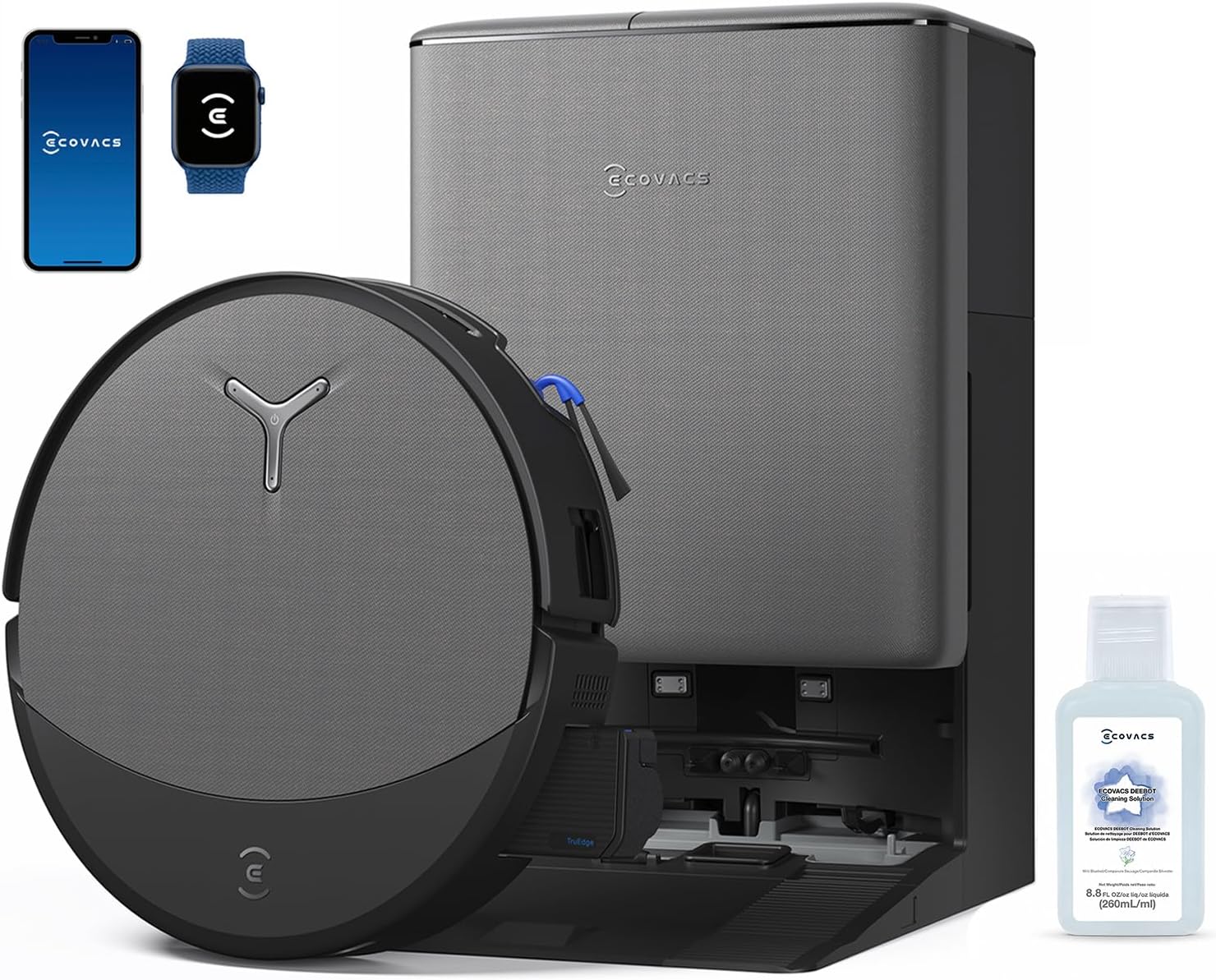
ECOVACS DEEBOT T90 PRO Omni Robot Vacuum and Mop, 30000Pa Blast Suction
The highest rated suction in this roundup at 30,000Pa, paired with an omni-style dock for the most hands-off setup of the six.
Visit on AmazonPrices and availability may change. Check the retailer for current details.
How these products were compared
These six were lined up on five points: navigation type, listed suction rating, dock and self-emptying behavior, mopping hardware, and anti-tangle and maintenance design. That is a specification comparison drawn from the manufacturer listings, not a lab measurement or a hands-on test, so treat the suction figures and dock intervals as the claims the listings make rather than as numbers anyone verified on a test bench.
Product names, images, and retailer links are matched by product identifier so that every card points to the product shown in it. No price is printed in this article, because pricing on this category moves constantly; use the link on the card you care about to confirm the current figure, availability, and return window.
How to choose the right robot vacuum and mop
Start with navigation, because it decides how much of your life the robot consumes. A LiDAR model builds a map, remembers it, and can be told to skip the dog bowls, the tangle of cables behind the TV stand, and the rug it always eats. A random-navigation model does none of that reliably, which is why the difference between the two is worth more than another few thousand pascals on a spec sheet. If you are choosing between two models at a similar price and one has LiDAR, that is your answer.
Then decide how much dock you actually want. A self-emptying base means the bin's contents get pulled into a bag in the dock, so a week of two-dog hair is not sitting in a bin you have to tip out every other morning. Some models here list weeks between dock service; others simply include the base. Either way, a self-emptying dock is convenience, not a maintenance-free machine. Filters, bags, and mop parts still need attention on a schedule.
Suction is the third decision, and it is the one buyers overweight. On sealed hardwood and tile, a 10,000Pa rating is doing the work; on low-pile carpet, more rated suction helps pull debris out of the pile. If your house is mostly hard floor with area rugs, the higher numbers are comfort rather than necessity. If you have medium-pile carpet in every bedroom, the 20,000Pa and 25,000Pa models make more sense. The navigation comparison in our LiDAR versus random navigation breakdown explains why that order of priorities holds up in a real house.
Mopping hardware is the last call. A roller mop and a flat vibrating pad both handle footprints and light kitchen traffic. Neither one removes dried-on stains or sticky spills without help, and any listing that calls robot mopping a deep clean is overselling it. If your goal is a floor that stays presentable between real cleanings, a mop combo is a reasonable upgrade. If your goal is scrubbing, keep the bucket.
roborock Robot Vacuum Mop with LiDAR, 10000Pa, Anti-Tangle, 7-9 Weeks
This is the pick because it puts the two features that reduce babysitting at the front of the list: LiDAR navigation for mapping and dock-finding, and an anti-tangle design for the hair that wraps around a brush and turns a ten-minute job into a twenty-minute one. The listing names a 10,000Pa suction rating and a 7 to 9 week dock interval, so the self-emptying side is doing real work across a couple of months rather than a couple of days.
The trade-off is honest. This is the lowest rated suction of the six models here, so if you are pulling debris out of medium-pile carpet or you simply want the biggest number on the box, one of the 20,000Pa or higher units is a better match. The listed 7 to 9 week figure also refers to the dock interval, not to never touching the robot. Filters, dock bags, and mop components still need periodic care, and the unit still needs its brushes cleared of hair occasionally. It is a low-drama machine, not a self-sufficient one.
Alternatives to consider
The Tikom Robot Vacuum and Mop, Robotic Vacuum Cleaner with Self-Emptying Base is better suited to someone who wants the self-emptying convenience in a straightforward vacuum and mop combo, while the dreame L40 Ultra Gen 2 Robot Vacuum and Mop with 25,000Pa Suction is a stronger fit when a high rated suction number is the priority and you want that headroom for carpet.
The eufy C28 Robot Vacuum Cleaner and Mop Combo, 15,000 Pa, HydroJet Roller Mop, the dreame D20 Air Plus Robot Vacuum and Mop, 20,000Pa Powerful Suction, and the ECOVACS DEEBOT T90 PRO Omni Robot Vacuum and Mop, 30000Pa Blast Suction cover the rest of the field. The eufy is the interesting one for mopping, since a HydroJet roller mop is a different design than the flat pads most combos carry. The dreame D20 Air Plus sits in the middle of the suction range. The ECOVACS tops the group at a listed 30,000Pa and pairs that with an omni-style dock, which is the configuration to look at if you want the most hands-off setup of the six.
Day-to-day use and maintenance
Plan on a short routine. Empty or check the dock bag depending on the model's listed interval, rinse or replace the mop pad or roller, clear hair from the brush and the wheels, and check the filter. Hair wrapped around a brush is the single most common reason a robot starts leaving lines on the floor, and it is a two-minute fix if you do it before it becomes a matted ring.
Before the first run, walk the main floor and deal with the things a robot cannot reason about: charging cables, thin rug edges, floor-length curtains, and pet bowls. Set no-go zones in the app for those areas if the model supports mapping, and use them for the spot under the sofa table where robots go to die. Run the first few cycles while you are home so you can see where it struggles, then schedule it for a time that fits your household.
Two caveats worth stating plainly. Robot mopping is light maintenance, so treat it as a floor freshener rather than a replacement for a mop. And a robot vacuum supplements a full-size vacuum rather than replacing it, especially on carpet, where a plug-in vacuum with a powered brush still pulls more out of the pile. If you have pets, run the robot more often rather than expecting one pass to handle a week of shedding.
Buying checklist
- Measure the clearance under your sofa, bed, and sofa table, and check the height of any rug transition the robot has to cross.
- Choose navigation based on your floor plan rather than the suction number; mapping matters more in a home with rooms and doorways.
- Pick a suction rating for your normal floor type instead of an occasional edge case.
- Confirm that the exact model you are buying includes the feature you want, since self-emptying bases, roller mops, and LiDAR are often reserved for specific configurations.
- Read the cleaning and maintenance instructions for the dock, filter, and mop parts before you buy.
- Verify the current retailer price, availability, and return terms through the listing link.
Final recommendation
Choose the roborock Robot Vacuum Mop with LiDAR, 10000Pa, Anti-Tangle, 7-9 Weeks when your floors are mostly hardwood, tile, and low-pile carpet, you have a shedding pet, and you want navigation and anti-tangle handling to do the heavy lifting. Choose the ECOVACS DEEBOT T90 PRO Omni Robot Vacuum and Mop, 30000Pa Blast Suction when the highest rated suction here and a full omni dock are what you are after. If self-emptying at the simpler end of the group is the goal, the Tikom model is the one to look at first.