Related: LiDAR vs Random Navigation: Why It Changes Everything
My first robot vacuum was the cheapest one on the page, and it navigated like it had somewhere better to be. It bounced off walls, covered the same corner three times, skipped the hallway entirely, and wedged itself under the sofa table on every single run. I finished rooms by driving it around with my phone like an RC car. That bot is the reason this robot vacuum buying guide leads with navigation instead of a suction number.
Four years and three units later, my test hasn't changed. I have a husky and a lab that together shed roughly one extra dog per week, hardwood in the living areas, tile in the kitchen, and low-pile carpet in the bedrooms. Phone cords stay on the floor on purpose. Rug transitions stay where they are. If a robot can't handle that house, the spec sheet is decoration.
Below are four bots at four very different price points, what each one is built for, and the questions I'd answer before spending money on any of them. Suction is the marketing. Navigation, dock-finding, and pet hair are the product.
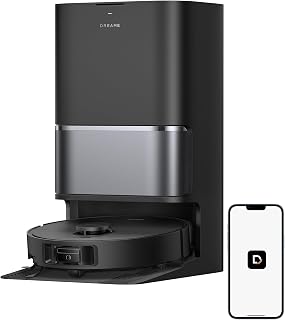
Best Overall: dreame L40 Ultra Gen 2 Robot Vacuum and Mop
The dreame L40 Ultra Gen 2 leads with 25,000Pa of suction and a vacuum-and-mop combination, which puts it at the top of this list. That's the number the box wants you to read. It's the last number I'd use to decide.
In my house, suction is table stakes. Every bot I've owned since the first one picked husky hair off hardwood. What separates a machine in this tier from a budget bot is everything around the suction: whether it maps a room or wanders through it, whether the mop is a wet pad dragging a streak or a system that deals with carpet without soaking it, and whether the dock is a charging puck or a station that handles the bin for you. That's what the money buys up here.
The thing I'd measure before buying anything in this class is height. Flagship bots with big docks and raised mop hardware sit taller than the product photos suggest, and if your sofa, bed frame, or kitchen cabinets sit low, you'll be the one fishing it out. I've done that more times than I can count.
For a two-dog house on hardwood and low-pile carpet, this is the pick if you want one machine for the whole floor and you're willing to pay for the top of the range.
Best Value: ILIFE A30s Robot Vacuum
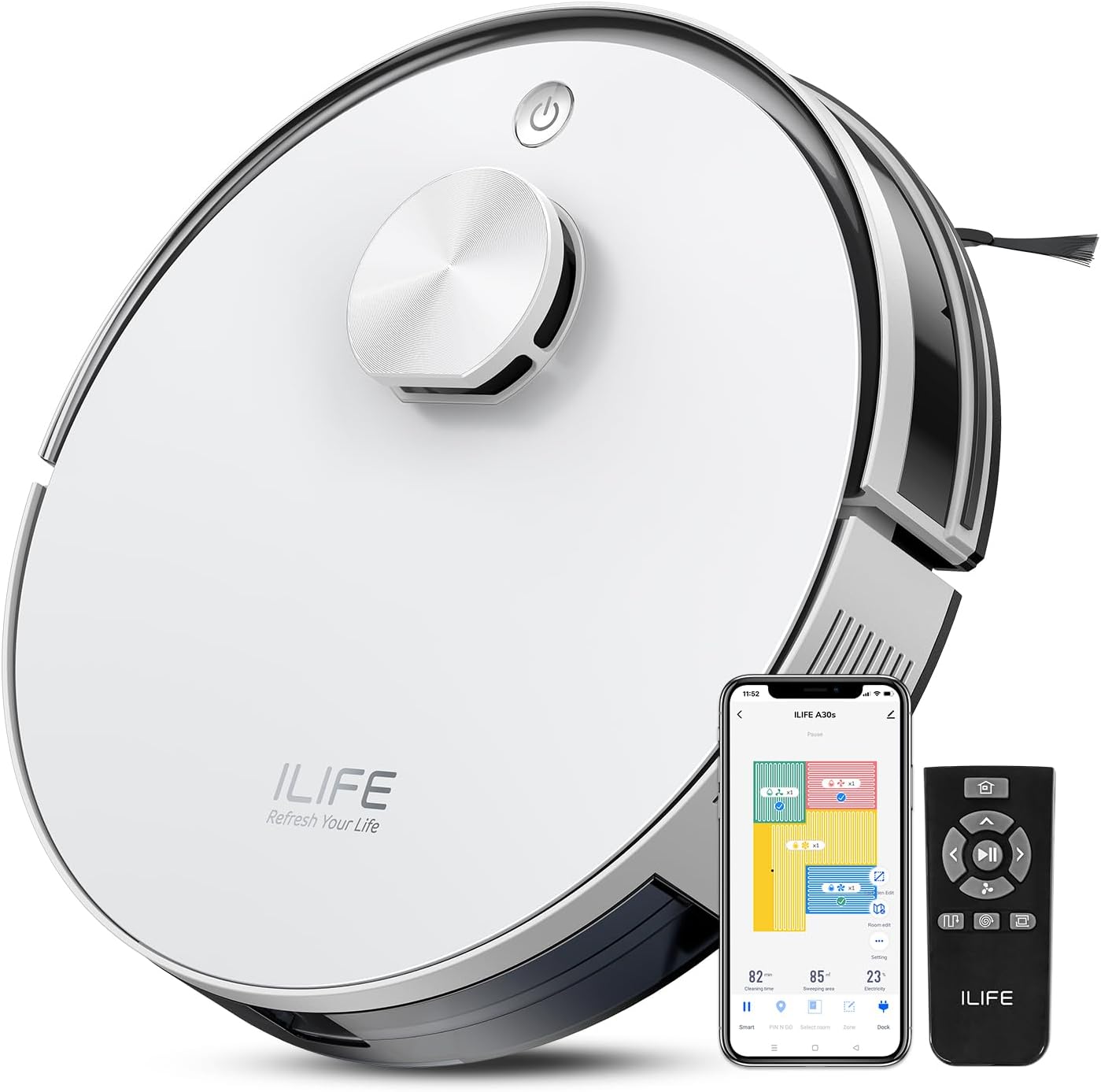
The ILIFE A30s is listed at 10,000Pa max suction, and it's the budget contender in this guide. Ten thousand pascals is a big number for this bracket, and on paper it's the value play for pet hair.
Here's where I slow down. Max suction is a mode, not an everyday setting. Most bots run quieter and weaker most of the time and only hit their peak on a boost setting, which drains the battery faster. So the useful question isn't whether 10,000Pa lifts dog hair off a hard floor. It's how much of your main floor the bot covers on one charge and how often you're emptying the bin.
The other thing I'd confirm before buying any budget robot is navigation. Random navigation and mapped navigation are different products living at similar price points, and navigation is the single biggest factor in how much you babysit the thing. A bot that maps and remembers no-go zones is worth the extra money over one that bumps walls and re-covers corners. Look for the words map, LiDAR, or no-go zones in the listing before you click buy.
Judge a bot at this level by what it does for the price. Expect a tool that keeps hard floors clear between real vacuuming sessions, not a replacement for your upright.
Best for Hardwood and Carpet: eufy Omni C20
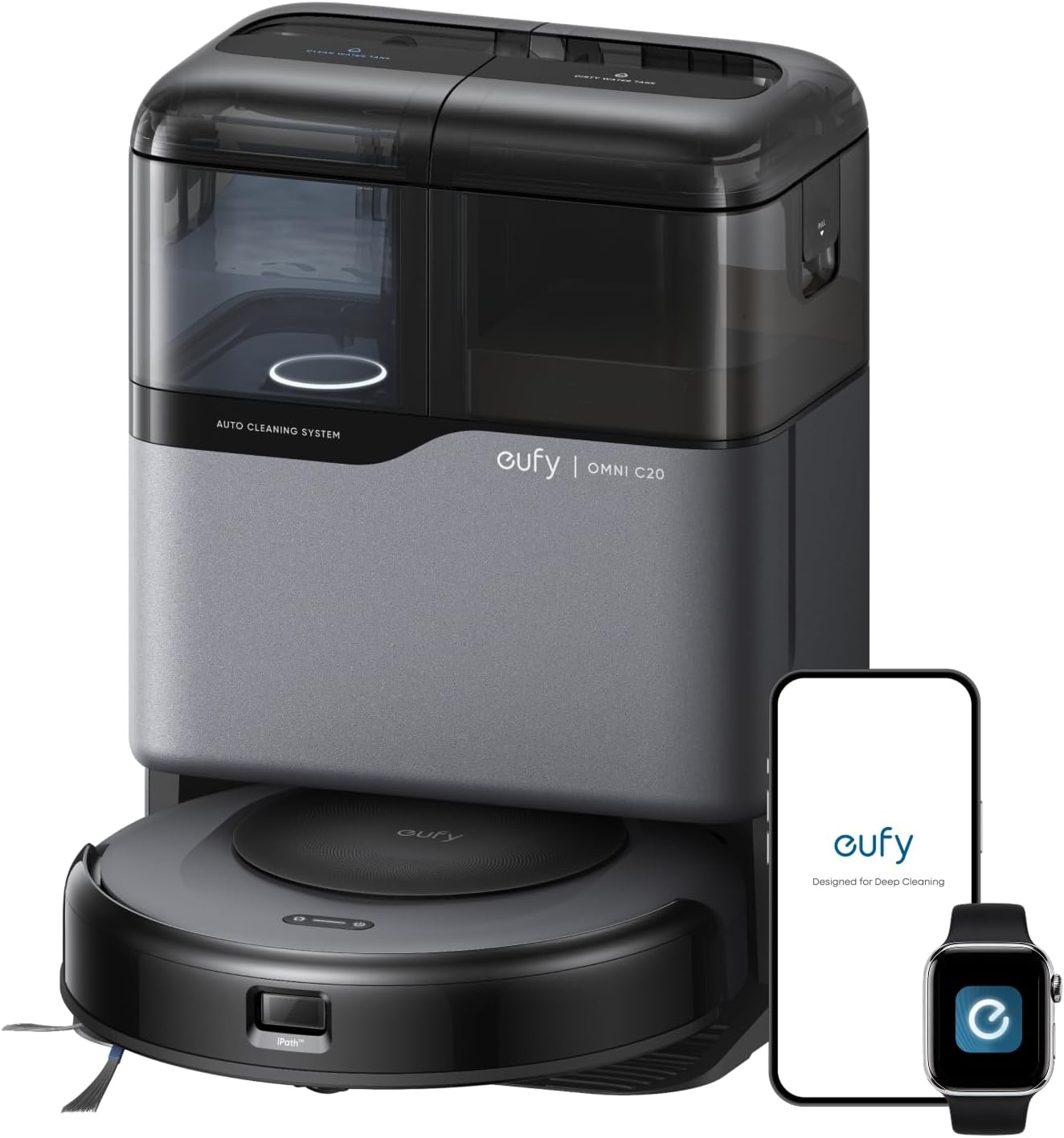
The eufy Omni C20 is listed as a vacuum and mop combo for hardwood and carpet with 7,000 Pa of suction. The mixed-flooring framing is the part that matters, because that's exactly the floor plan in my house: hard surface in the living areas and kitchen, low-pile carpet in the bedrooms.
On paper, 7,000 Pa is the lowest suction figure in this guide. On hardwood and low-pile carpet, that number moves less hair than navigation and brush design do. A bot that maps the room and makes a second pass beats a stronger bot that wanders. That's the trade I'd rather make.
If a mop is crossing carpet transitions in your house, the question to answer is whether the mop lifts or whether you're pulling a wet pad off by hand before it hits the rug. And if the dock on this one empties the bin for you, know what that actually means: convenience, not never touching the robot again. You still deal with filters and bags.
Robot mopping is light maintenance. It takes footprints off the kitchen floor. It does not touch dried-on stains. I still hand-mop after the robot's pass, and I'd tell you the same thing no matter what the box claims.
Best for Small Spaces: Low Profile Robot Vacuum
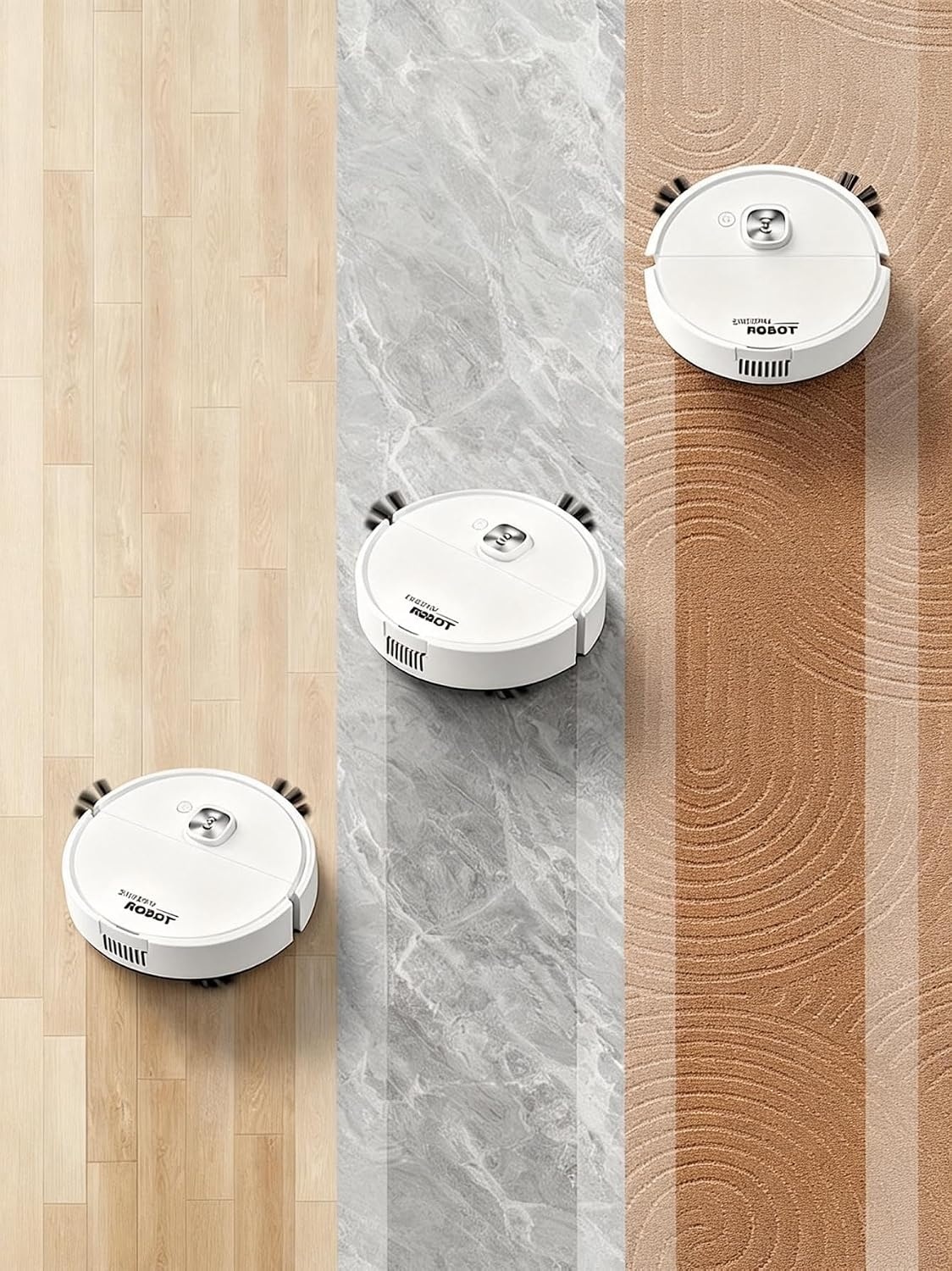
The Low Profile Robot Vacuum is the small-space pick: quiet, low to the ground, and aimed at apartments, dorms, and homes where storage space is tighter than floor space.
Low profile is a real feature, not a marketing word. A bot that slides under a dresser or a low sofa frame cleans floor you'd otherwise reach with a wand attachment. Quiet matters too. In a studio or a dorm room, the difference between a bot you can run while you're home and one you can't is the difference between it getting used and it sitting in a closet.
This is the tier where expectations do the most work. A robot in this size class is a floor cleaner, not a whole-home system. Don't expect it to map your apartment, and don't expect a dock that empties itself.
Before you buy, read what actually comes in the box. Some listings in this category include a charging dock and a remote; some assume you'll plug it in and press a button. Check whether there's an app, whether it handles rug edges, and what the return window looks like. At the entry level, the return policy is part of the product.
How I test a robot vacuum
Every bot I write about gets run the same way in my house, and I don't make claims I haven't earned.
The dock test: I start it in the back bedroom, not the hallway, and watch whether it finds its way home without me. The cord test: phone cords stay on the floor, because a bot that only cleans a staged room isn't cleaning my room. The rug test: transitions stay in place. The furniture test: my sofa table has eaten more bots than I'd like to admit.
The pet hair test is the one that matters most. Two shedding dogs produce enough hair to clog a cheap bin in a single run, and if the bin or the brush chokes on it, nothing else about the robot matters. The noise test happens next to the TV at normal volume, because "quiet" means nothing in an empty room.
For this guide I'm working from the listed specs and from four years with three bots of my own. Where I can't confirm something on my own floor, I say so and tell you what to check instead. That's more useful than a spec sheet presented as a test result.
Analysis: what actually separates these four
Line the four up and the differences aren't about suction. They're about how much of the job the machine takes off your plate.
At the top, the dreame L40 Ultra Gen 2 is a whole-system purchase: the biggest suction number here, vacuum and mop in one unit, and the assumption that you want the floor handled without much input. You pay for that.
In the middle, the eufy Omni C20 targets the floor plan most houses actually have, hardwood and carpet in the same run. The 7,000 Pa figure is the least important thing about it. What matters is whether the mapping is real and whether the mop behaves around carpet.
The ILIFE A30s is the pet-hair value play on paper at 10,000Pa max, and the thing standing between it and a recommendation is navigation. If it maps, it's a serious budget pick. If it wanders, it's a lottery ticket, and I've bought that ticket before.
The Low Profile Robot Vacuum is a different product wearing the same category name. It's for a small space where under-furniture clearance and noise matter more than coverage.
One honest note that applies to all four: you shouldn't have to babysit a robot, but below the flagship tier you probably will. That's the trade-off, and it's better to know it going in than to find out on a Tuesday night with the bot stuck under the couch.
Robot vacuum comparison table
This is the table I'd want open while shopping. Suction figures come from the listings, not from my floor. Everything in the last column is something to confirm before you buy.
| Model | Stated suction | Mopping | Best for | What to check first |
|---|---|---|---|---|
 Visit on Amazon → dreame L40 Ultra Gen 2 |
25,000Pa (as listed) | Yes, vacuum and mop | Whole-home cleaning on hardwood and low-pile carpet | Height under your lowest furniture and the dock footprint |
 Visit on Amazon → ILIFE A30s |
10,000Pa max (as listed) | Not listed | Pet hair on hard floors on a budget | Whether it maps or navigates randomly |
 Visit on Amazon → eufy Omni C20 |
7,000 Pa (as listed) | Yes, for hardwood and carpet | Mixed flooring in a mid-size home | Whether the mop lifts at carpet transitions |
 Visit on Amazon → Low Profile Robot Vacuum |
Not listed | Not listed | Apartments and dorms, tight under-furniture clearance | What comes in the box: dock, remote, app |
Should you buy the dreame L40 Ultra Gen 2?
Yes, if you want one machine doing the whole job and budget isn't the deciding factor. It's the top of this list on suction and it's a vacuum and mop in one unit, which is the combination most people are actually shopping for.
Measure your lowest furniture clearance first. A tall dock and raised mop hardware are the most common reasons people end up pulling a flagship out from under a sofa. If you have a husky and a lab, hardwood in the main rooms, and low-pile carpet in the bedrooms, this is the tier that stops feeling like a compromise.
Should you buy the ILIFE A30s?
Only after you confirm how it navigates. At 10,000Pa max suction it's the value pick for pet hair on hard floors, and if it maps and holds no-go zones, it's a genuinely good buy for the money.
If it navigates randomly, it's the same lottery ticket as every other budget bot: some run for years, most spend their evenings stuck under the couch. Check that before you buy, not after.
The bottom line
Match the robot to the floor, not to the box. The eufy Omni C20 is the sensible middle if you have hardwood and carpet in the same house and you want the mop handled without babysitting. The Low Profile Robot Vacuum is the right call for an apartment or dorm where clearance and quiet matter more than coverage, as long as you read the listing and know you're buying a floor cleaner.
And none of these replaces your real vacuum. A robot vacuum is a maintenance tool that keeps the floor between deep cleans. Anyone who tells you otherwise hasn't owned one for a year.