I have been running robot vacuums in a ranch house with hardwood in the living areas, tile in the kitchen, and low-pile carpet in the bedrooms for about four years. Add a husky and a lab, and the floor is a pet hair exam every single day. This self-emptying robot vacuum comparison is the version of the conversation I have with friends who text me before they buy: four machines, four different jobs, and no marketing talk about deep cleaning.
The short answer: the roborock Q7 M5+ is the one I would buy for most houses, because a 7 to 9 week self-empty cycle and 10000Pa of claimed suction is the closest thing here to a robot you can ignore. If your budget stops around $100, the ILIFE V2 is the honest entry point, as long as you accept that you will babysit it.
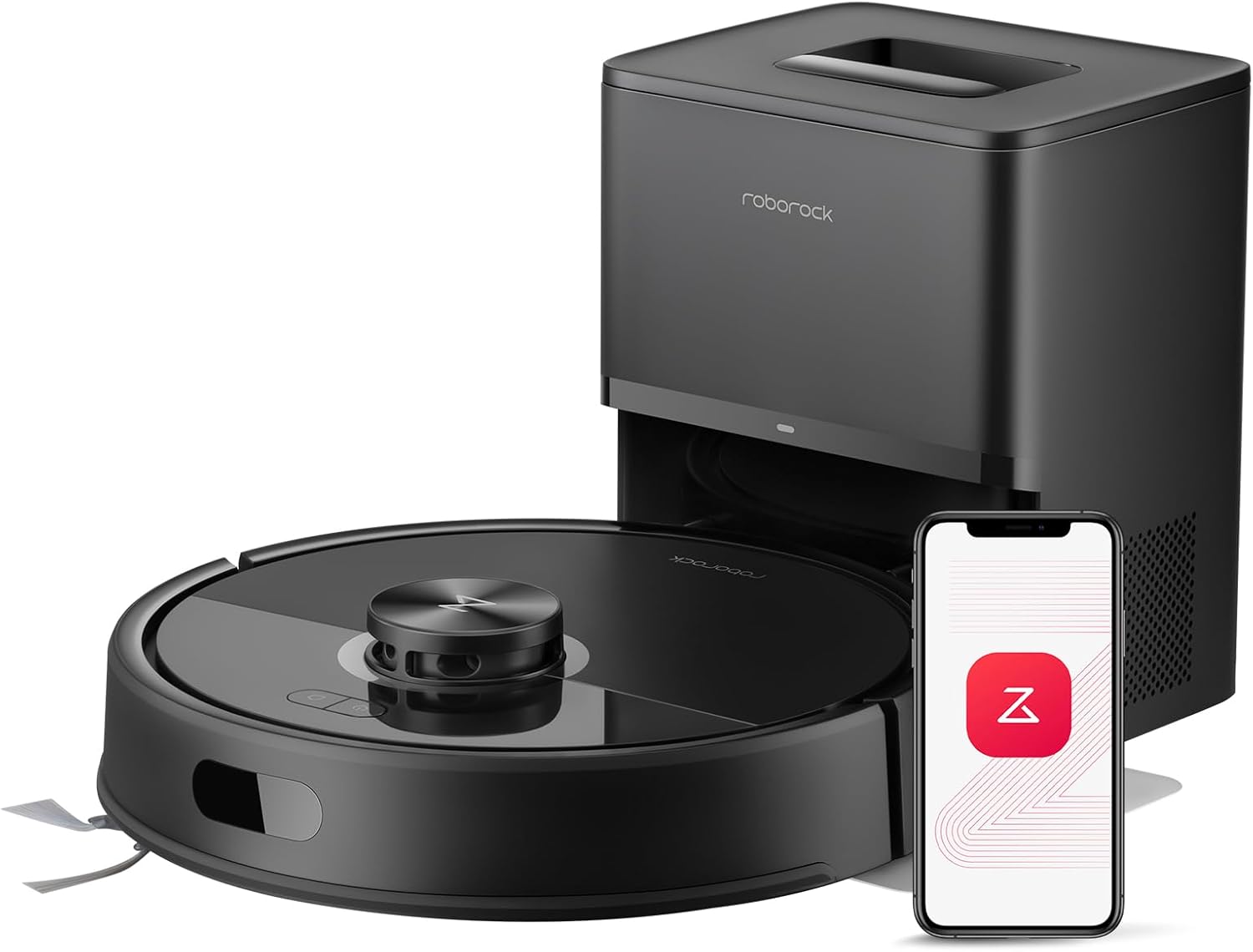
roborock Q7 M5+ Robot Vacuum and Mop, Up to 7-9 Weeks Self-Empty, 10000Pa
Highest claimed suction of the four, longest self-empty window, and it is the only one here that mops
Mop is light maintenance at best, and you are paying mid-tier money for it
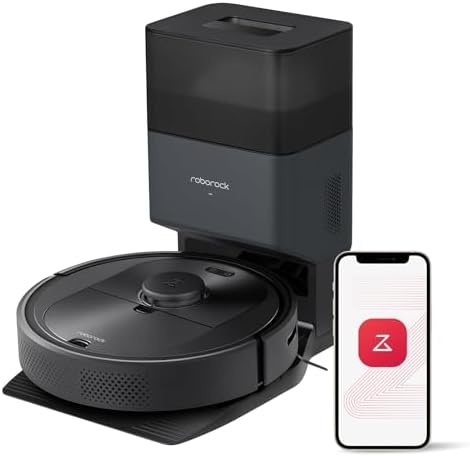
roborock Q5+ Robot Vacuum with Self-Empty Dock, 2700Pa Max Suction, 180mins Max Run-Time, Renewed
Real self-empty dock, 180 minute claimed runtime, and roborock's app and mapping polish
2700Pa is last-generation suction, and Renewed means you are buying a refurbished unit
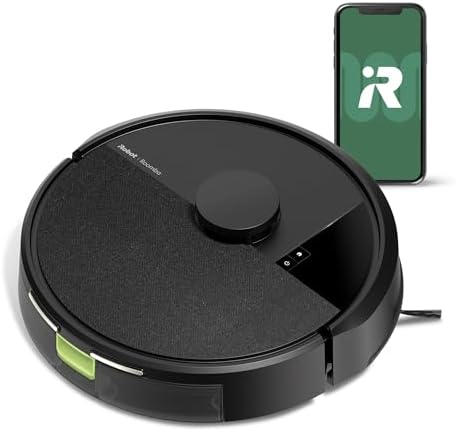
iRobot Roomba 105 Vac Robot Vacuum, LiDAR Navigation, Multi-Surface Cleaning, Self-Charging
The only one here that names LiDAR navigation, plus iRobot's reputation for reliability
No self-empty dock, and you pay the Roomba name tax
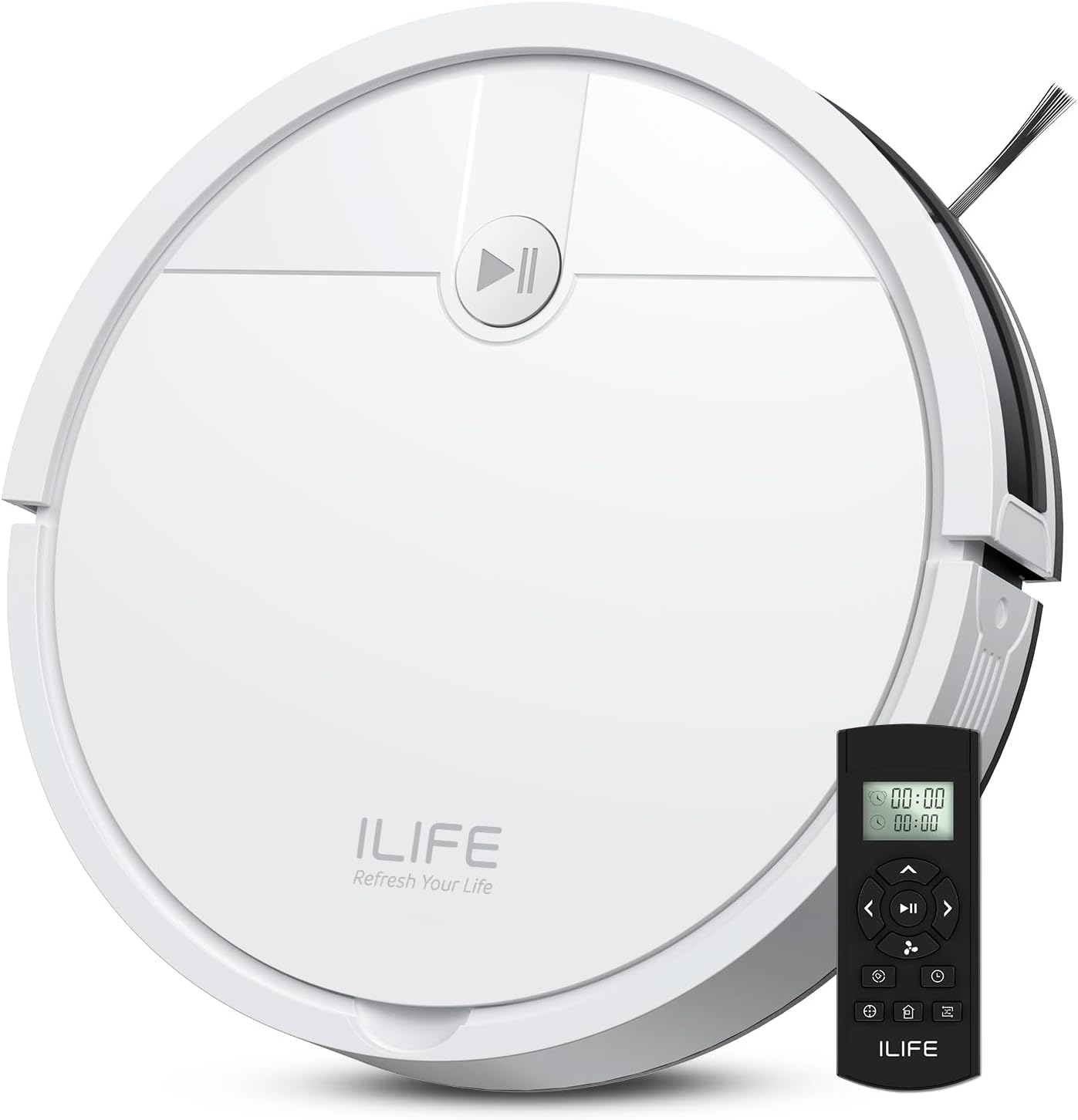
ILIFE V2 Robot Vacuum Cleaner, Tangle-Free Suction, White
Cheapest way into the category, tangle-free suction is the right feature to lead with
No dock, no mapping claims, and a budget bot is a budget bot
Prices and availability were captured from Amazon Creators API and may change.
How I judge a robot vacuum
Four years, three units, and one spreadsheet that logs every stuck event and every dock-finding run from the back bedroom. That is the honest basis for everything below. I am reading the specs the manufacturers publish, plus the app behavior and reliability patterns I have run into across a couple of generations of these things. Where a number is a manufacturer claim, I say so, because 10000Pa on a box and 10000Pa on my kitchen tile are two different conversations.
The criteria are boring and they do not change. Can it find the dock from the farthest room on its own? Does it get stuck on the same phone cord twice? Does the bin survive a week of two-dog hair? Would I trust it to run at 10 a.m. while I am at work? Suction is fourth on that list, not first, and anyone who tells you otherwise has not owned one for a year.
The self-empty dock question
Two of these four have a self-empty dock, and the numbers on the box are the same kind of marketing math everywhere. The roborock Q7 M5+ claims up to 7 to 9 weeks of hands-free cleaning. The roborock Q5+ claims up to 7 weeks. What that means in a two-dog house is not "never touch the robot." It means you are not emptying a small bin every other day. You are still pulling hair off the brush, still rinsing a filter, still checking the bag in the dock.
The Roomba 105 is self-charging, not self-emptying. Read that carefully, because it is the most common mistake people make when they compare these listings side by side. Self-charging means it goes home when the battery drops. Self-emptying means the dock sucks the bin out. The ILIFE V2 does not claim either dock feature, which is exactly what you would expect from the cheapest machine on this list.
Is the dock worth it? For a house with two shedding dogs, yes. The bin on a dockless robot fills fast, and a full bin means the robot either stops or starts dragging hair around. The dock is a convenience purchase, not a cleaning upgrade, and you should price it that way.
Navigation is the spec that matters most
This is where the four split hardest, and it is the part almost nobody reads before buying. The Roomba 105 is the only one in this group that puts LiDAR navigation in its own name. LiDAR is the laser mapping that lets a robot know where it is, build a map, and clean in organized rows instead of bouncing off walls. The listing even says it cleans in neat rows, which is the behavior you want if you have ever watched a random-navigation bot cover the same corner three times and skip the hallway entirely.
The roborock pair lean on the app and the mapping polish that brand is known for, which is the reason people pay roborock money in the first place. If no-go zones, room-by-room scheduling, and a robot that actually finds the dock from the back bedroom matter to you, this is the tier where that lives.
The ILIFE V2 promises tangle-free suction and nothing about mapping, and I would take that at face value. A budget bot without navigation claims is a bot that bumps around. That is not a dealbreaker at its price, but it is a real difference in how much you babysit the thing. My first robot was a random-navigation unit, and I eventually drove it around with my phone like an RC car just to finish a room. If that sentence sounds familiar, spend the extra money on navigation, not on suction.
Suction numbers and two shedding dogs
The Q7 M5+ claims 10000Pa. The Q5+ claims 2700Pa max. The Roomba 105 advertises intense power-lifting suction without putting a number on it. The ILIFE V2 leads with tangle-free suction instead of a Pascal figure.
Here is how I read that as someone who empties husky undercoat out of a bin most days. Pascal ratings are not standardized in any way you can compare across brands, so treat them as a rough ranking inside a single brand, not as a scientific measurement. What actually matters with long pet hair is whether the roller tangles, because a wrapped brush is the thing that turns a 40 minute run into a 10 minute cleanup with scissors.
Tangle-free is the feature the ILIFE leads with, and that is the right instinct for a pet house. The trade-off is that a cheap tangle-free design usually means less raw pickup on carpet. In a house with low-pile carpet and two dogs, I would rather have more suction and a brush I have to clean than the reverse, but if your dogs are short-haired and your floors are mostly hard surface, the cheaper machine gets more done than its price suggests.
Mopping is light maintenance, not deep cleaning
Only one of these four mops: the roborock Q7 M5+. None of the others claim a mop at all, so if wiping down the kitchen is part of your plan, this decision is basically made for you.
Set your expectations anyway. Robot mopping keeps everyday footprints off the floor. It does not touch dried-on stains or sticky spills, and I still hand-mop my kitchen after the robot's pass. If you buy the Q7 M5+ for the vacuum and treat the mop as a bonus, you will be happy. If you buy it because the listing makes it sound like a floor scrubber, you will be disappointed by week two.
The renewed Q5+ is a real decision, not a footnote
The Q5+ on this list is a Renewed unit, and that word is doing a lot of work. Renewed generally means a refurbished machine that has been tested and repackaged, not a new one. That can be a genuinely good deal on a robot with a real self-empty dock and a claimed 180 minutes of runtime, and it can also mean a shorter warranty and a unit with cosmetic wear.
If you go this route, read the listing's condition notes and warranty terms before you click. The hardware is the same hardware, the dock is the same dock, and 2700Pa is still enough for daily hard-floor maintenance in a pet house. You are accepting a refurb to get roborock's dock and app at a lower entry point. For some people that is the smartest buy on this page. For others, the uncertainty is worth paying to avoid.
Who should buy which
Buy the roborock Q7 M5+ if you want the longest self-empty window, the strongest claimed suction here, and any mopping at all. It is the best fit for a two-dog house with mixed flooring. Visit on Amazon →
Buy the roborock Q5+ if you want a self-empty dock and roborock's app for less money and you are comfortable with a Renewed unit and last-generation suction. Visit on Amazon →
Buy the iRobot Roomba 105 if LiDAR navigation and never troubleshooting anything matter more to you than a dock. This is the one I would hand to someone who does not want to think about their vacuum. Visit on Amazon →
Buy the ILIFE V2 if your budget is the deciding factor and your floors are mostly hard surface with short-haired pets. Go in knowing you will empty the bin often and rescue it occasionally. Visit on Amazon →
The trade-offs nobody puts on the box
Under $300, you will babysit a robot. That is the honest line. Cords, rug transitions, and a sofa table that eats bots are all still there, and no amount of suction fixes a machine that cannot figure out a doorway.
Self-emptying does not mean maintenance-free. Filters, brushes, and dock bags still need attention, and the "7 weeks" claim assumes a house that is not shedding a second dog every spring.
And the oldest rule in this category still applies: a robot vacuum is a maintenance tool, not a replacement for your real vacuum. It keeps the daily hair off the floor so you can go longer between real passes. It does not deep clean anything, and the mopping is the least deep part of the whole package.
What I would do with my own money
If I were replacing my daily driver tomorrow and wanted the least amount of my own attention involved, I would buy the roborock Q7 M5+ and treat the mop as a bonus. If I wanted to spend less and was willing to accept a refurbished unit and older suction numbers, the renewed Q5+ gets me the same dock concept for less. The Roomba 105 is the pick for the person who wants the robot to just work and does not care about a dock. The ILIFE V2 is the lottery ticket, and I say that with affection, because the cheap ones are how most of us end up here in the first place.